

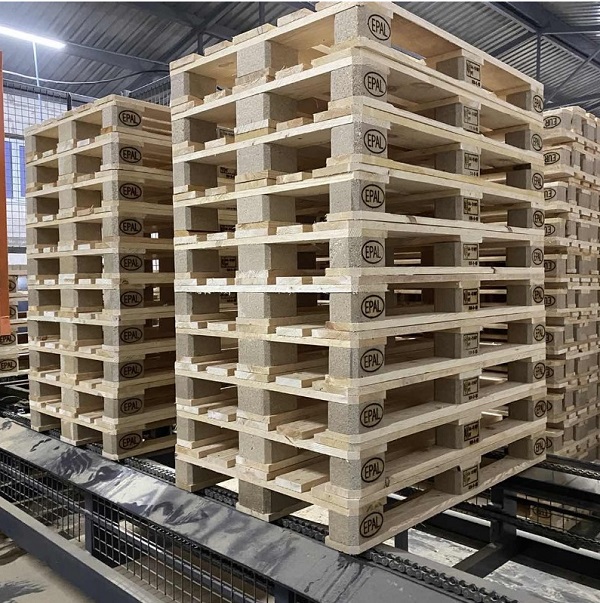
Let’s talk about wooden pallets for a second. These things are everywhere—warehouses, factories, shipping yards. They’re basically flat platforms made out of wood, and people use them to store, stack, and move goods from one place to another. Pretty simple, but there’s a surprising amount of variety when you look closer.
You’ll run into all sorts of types, depending on how they’re built, what they’re used for, and the exact wood or treatment involved. Some common ones? Two-way and four-way entry pallets (those just refer to how forklifts can pick them up), stringer and block pallets, perimeter base pallets, and then there are single-faced or double-faced designs.
You’ve got standard pallets, the heavy-duty kind for big, bulky stuff, and lighter versions for smaller loads. Export pallets are built to meet international shipping rules, and chemical pallets—sometimes called CP pallets—handle industrial materials. You’ll see both hardwood and softwood versions, plus heat-treated or chemically treated pallets if they need to meet certain safety standards. Some pallets are untreated, just good old-fashioned wood.
Beyond that, there’s a whole list: standard sizes, spill containment pallets for leaks, winged pallets with extra surface area, post pallets, nestable designs that save space, single-use options, reusable pallets, recycled versions, and eco-friendly choices. And, of course, special types like Euro pallets, Epal, ISPM-15 certified models, and even railway sleepers. The bottom line? There’s a wooden pallet for just about every job you can imagine.


Reviews
There are no reviews yet.